
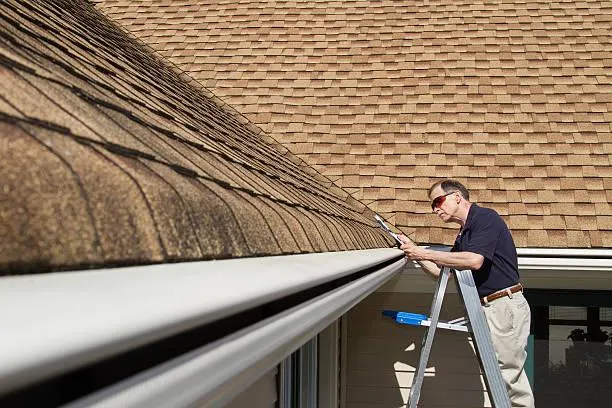
Understanding Local Roofing Codes in South Carolina
South Carolina’s roofing codes are designed to protect homes from strong winds, hurricanes, heavy rainfall, and coastal storms. Whether you live in Charleston, Columbia, Greenville, Myrtle Beach, Hilton Head, Bluffton, Rock Hill, or the surrounding areas across the Lowcountry, Midlands, and Upstate regions, understanding these guidelines helps ensure your roofing project meets safety standards and stays compliant with city and county regulations.
What are the main roofing code requirements homeowners must follow in South Carolina?
Homeowners must follow local and state regulations for wind resistance, underlayment, ventilation, and structural fastening. These codes vary across Charleston, Columbia, Myrtle Beach, Hilton Head, and nearby towns due to different weather risks. Meeting the requirements helps ensure safety, durability, and long-term protection.
Why do roofing codes differ between coastal and inland areas in South Carolina?
Coastal cities like Myrtle Beach, Beaufort, Hilton Head, and Charleston face stronger hurricane winds, so roofing materials must withstand 130–150 mph wind zones. Inland areas such as Columbia, Greenville, and Spartanburg follow slightly lower wind standards. These variations ensure each region gets the right level of structural protection.
What wind-resistant roofing standards are commonly enforced in South Carolina?
Local codes require shingles and roofing systems that meet specific wind ratings based on the county. Homeowners in areas like Charleston County and Horry County must install higher-rated products than residents in Lexington or Greenville. This helps minimize roof damage during tropical storms and tornadoes.
How do roofing codes address roof decking and fastening techniques?
Codes require roof decking to be secured with approved nails or hurricane clips to prevent lifting in high-wind events. This is especially critical in coastal communities like Bluffton, Mount Pleasant, and Folly Beach. Proper fastening increases stability and helps roofs stay intact during storms.
Why is proper underlayment important for homes in South Carolina?
Underlayment provides moisture protection and is required across all regions, including the Lowcountry and Upstate. In flood-prone or coastal zones, peel-and-stick waterproof membranes may be mandatory. This added layer helps reduce leaks, mold, and structural water damage.
How do ventilation requirements affect roofing performance in different parts of South Carolina?
Local codes require ridge and soffit ventilation to reduce heat and moisture buildup. Whether you live in Greenville’s mountain-influenced climate or Charleston’s humid coast, proper airflow helps prevent shingle deterioration, attic mold, and energy waste.
Are fire ratings part of South Carolina roofing regulations?
Yes, most areas require a Class A or B fire-rated roofing material. This is important in suburban communities like Rock Hill, Summerville, North Charleston, and Anderson, where homes are closer together. Fire-rated materials help reduce spread and improve overall safety.
Do South Carolina homeowners need a roofing permit for replacements?
Many counties, including Beaufort, Richland, Greenville, and Charleston, require permits for roof replacement but not always for small repairs. Permits ensure the work follows code and passes inspection, which helps maintain insurance and resale value.
Why is it important to work with licensed roofing contractors in South Carolina?
Licensed contractors understand regional codes, weather risks, and inspection requirements in areas like Lancaster, Mount Pleasant, and Myrtle Beach. They ensure correct installation methods and use approved materials that meet state and county standards.
'
How do HOAs and neighborhood guidelines affect roofing projects in South Carolina?
Many communities in Bluffton, Hilton Head, Charleston suburbs, and Greenville developments enforce rules about roof color, style, and material. Homeowners must follow both HOA rules and local building codes to avoid fines or rejected installations.
Final Thought
Understanding roofing codes in South Carolina helps homeowners stay compliant, protect their investment, and ensure long-term roof performance. Whether you live along the coast or in inland towns, working with licensed professionals and following local regulations guarantees a safe and durable roofing system that withstands the state’s diverse weather.
What happens if a roofing project doesn’t meet South Carolina building codes?
Failing to meet code can lead to inspection failures, insurance issues, fines, and costly repairs. Correcting the work later is often more expensive than following guidelines initially.
Do South Carolina roofing codes change often?
Codes may be updated after major storms or when new safety standards are adopted. Checking with your county office or contractor in areas like Charleston, Horry, or Greenville helps you stay current.
Are there special roofing rules for hurricane-prone areas?
Yes, coastal counties require stronger roof coverings, enhanced nailing patterns, and higher wind resistance. These rules help protect homes from extreme weather.
Do energy-efficient roofs have special requirements?
Some towns encourage reflective shingles or proper ventilation to improve efficiency, especially in warmer regions like Beaufort, Bluffton, and Columbia.
Can roofing work be done without a permit?
Small repairs may not require a permit, but replacements usually do. Always confirm with your county or city to avoid compliance issues.
Email: [email protected]
Phone: +1 843-874-6680
Address: 656 Hunts Bluff Road, Bennettsville, SC 29512